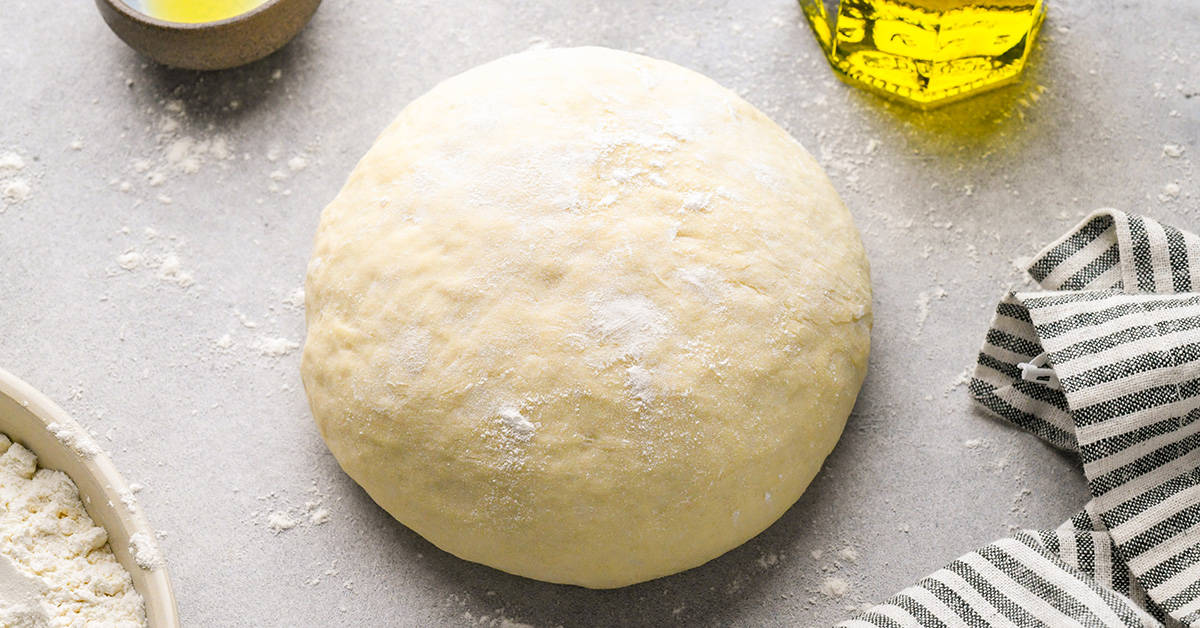
Homemade Pizza Dough: Easy & Fast vs. Pizzeria-Style Secrets
There’s an undeniable magic in a homemade pizza. The aroma filling your kitchen, the sizzle of toppings, and finally, that first glorious bite of a crust you crafted yourself. But when it comes to making your own pizza dough recipe, a fundamental question often arises: do you prioritize speed and simplicity, or are you willing to invest a little more time for that coveted pizzeria-quality crust?
This article dives deep into these two popular approaches, comparing the quick and easy methods to the secrets behind achieving an authentic, light, and airy pizzeria-style crust right in your home oven. Whether you’re a beginner looking for instant gratification or an aspiring pizzaiolo chasing perfection, understanding the nuances of each method will empower you to create your ultimate pizza night.
The Allure of Homemade Pizza Dough: Why Bother?
Before we delve into the different methods, let's appreciate why making pizza dough from scratch is so rewarding. Beyond the sheer satisfaction of creating something delicious with your own hands, homemade dough offers unparalleled control over ingredients, allowing you to avoid preservatives and adjust flavors to your liking. The result is a fresher, often healthier, and undeniably more flavorful pizza than anything store-bought.
From a foundational perspective, a great pizza starts and ends with its crust. It's the canvas for your toppings, providing texture, structure, and a significant portion of the overall flavor experience. Mastering a pizza dough recipe is therefore the ultimate culinary superpower for any pizza lover.
The "Easy & Fast" Pizza Dough Approach: Instant Gratification
For those times when the craving strikes unexpectedly, or when you simply don't have hours to spare, an easy and fast pizza dough recipe is your best friend. This method is designed for efficiency, delivering a satisfying crust with minimal waiting.
What Makes it Fast?
The primary difference in a fast pizza dough recipe lies in its fermentation time. Instead of extended resting periods, these recipes typically call for a very short rise, sometimes as little as 5-10 minutes, or even none at all beyond the initial mixing. This is achieved by using warm water and sometimes a slightly higher proportion of yeast, which encourages rapid activation and gas production. The sugar in the recipe often serves to "feed" the yeast, accelerating its activity.
Pros and Cons of the Quick Method
- Pros:
- Speed: Ready to bake in under an hour, sometimes as little as 15-20 minutes total prep.
- Simplicity: Fewer steps, less planning, and ideal for beginners.
- Beginner-Friendly: Less complex handling, making it forgiving for novice bakers.
- Soft & Chewy: Often yields a softer, chewier crust that holds up well to generous toppings.
- Cons:
- Less Flavor Development: The quick fermentation doesn't allow yeast to produce the same complex flavors as a slow rise.
- Denser Texture: While soft, it typically lacks the airy, open crumb structure and large bubbles characteristic of pizzeria dough.
- Limited Digestibility: Without enzymatic breakdown from long fermentation, it can sometimes feel heavier.
For a basic easy dough, you'll often combine flour, active dry yeast, warm water (around 105-115°F / 40-46°C), a pinch of sugar to activate the yeast, salt, and sometimes a touch of olive oil. Mix, knead for a few minutes until smooth, rest for 5-10 minutes, and it's ready to shape and bake. It's a fantastic starting point for anyone new to pizza making.
Unlocking Pizzeria Perfection: The 24-Hour Cold Fermented Dough
If you've ever dreamt of replicating the crisp-chewy texture and complex flavor of your favorite Neapolitan or New York-style pizza at home, the secret lies in two key techniques: high hydration and slow cold fermentation. This approach requires patience but promises a profoundly more satisfying result.
The Power of High Hydration (70% Hydration)
The term "hydration" refers to the ratio of water to flour in your dough. A 70% hydration means that for every 100 grams of flour, you use 70 grams of water. This is significantly higher than many quick recipes, resulting in a naturally stickier dough. But don't let the stickiness deter you – it's precisely this high water content that contributes to:
- Beautiful Air Bubbles: More water translates to more steam during baking, creating expansive air pockets and a signature "cornicione" (the puffed-up rim of the pizza).
- Open Crumb: A light, airy internal structure, making the crust feel less dense and more tender.
- Crisp Exterior: The extra moisture helps create a super crisp crust that crackles with every bite, while remaining soft and chewy inside.
For precision in hydration, always weigh your ingredients, especially flour and water, using a kitchen scale. This ensures the correct ratio and consistent results every time.
For more detailed insights into achieving this specific dough, check out our guide on Achieve Pizzeria Perfection: Easy 70% Hydration Pizza Dough.
The Magic of 24-Hour Cold Fermentation
This is where the true alchemy happens. After an initial short rise at room temperature, the dough is placed in the refrigerator for a minimum of 24 hours (and often up to 48 hours for even deeper flavor). This slow, cold fermentation process works wonders:
- Deep, Complex Flavor: The chilled environment slows down yeast activity, allowing beneficial enzymes more time to break down complex carbohydrates in the flour into simpler sugars. This creates a broader spectrum of aromatic compounds, leading to a richer, nuttier, and more nuanced flavor profile often described as "umami."
- Improved Texture: The extended fermentation allows gluten structures to relax and develop without intense kneading. This results in a more extensible, easier-to-handle dough that stretches beautifully without tearing.
- Enhanced Digestibility: The prolonged enzymatic activity breaks down gluten and other components, making the finished pizza crust easier on the digestive system for many people.
While it requires foresight and planning, the actual hands-on time for a 24-hour dough is surprisingly minimal. It's truly a "set it and forget it" method that elevates your pizza game dramatically. Learn more about this crucial step in our article: Unlock Pizzeria Crust: Why 24-Hour Cold Fermentation Matters.
The Pizzeria-Style Pizza Dough Recipe (24-Hour, 70% Hydration)
Here’s a breakdown of the method, leveraging the principles of high hydration and cold fermentation:
Yields: 4 medium pizzas (12 inches each)
Prep Time: 20 minutes
Resting Time: 24 hours (cold) + 2 hours (room temperature)
Difficulty: Easy (requires patience, not complex skill)
Baker’s Percentages (Flour = 100%)
- Flour: 100% (e.g., 500g all-purpose or bread flour)
- Water: 70% (e.g., 350g, 65–70°F / 18–21°C)
- Fine Salt: 2% (e.g., 10g)
- Instant Dry Yeast: 0.6% (e.g., 3g)
- Extra-Virgin Olive Oil: 2.8% (e.g., 14g)
For the most accurate hydration and consistent results, always weigh flour and water using grams.
Instructions:
- Mix the Dough: In a large bowl, combine flour and yeast. Gradually pour in water while mixing with a spoon or your hands until a sticky dough forms. Add salt, then olive oil, mixing until fully incorporated.
- Knead: Transfer the dough to a lightly floured surface. Knead for 8–10 minutes until smooth and elastic. The dough will feel slightly tacky due to its high hydration – this is normal and desired.
- First Rise (Room Temperature): Place the dough in a lightly oiled bowl. Cover and let rest at room temperature for 1 hour. This allows for initial gluten development and yeast activity.
- Cold Fermentation (24 Hours): Transfer the covered bowl to the refrigerator. Let the dough ferment slowly for 24 hours. During this time, the yeast and enzymes work their magic, developing deep flavor and optimal structure.
- Bring Back to Room Temp: About 2 hours before you plan to bake, remove the dough from the fridge. Gently divide it into 4 equal dough balls, cover them, and let them rest at room temperature. This relaxes the gluten and makes the dough easier to shape.
- Shape & Bake: Preheat your oven to its highest setting (500°F / 260°C or higher) with a pizza stone or baking steel inside for at least 45 minutes to ensure it's scorching hot. Gently stretch each dough ball into a 12-inch round, add your favorite toppings, and bake for 7–10 minutes until the crust is golden, bubbly, and beautifully charred in spots.
Easy vs. Pizzeria-Style: Choosing Your Path
So, which pizza dough recipe is right for you? It truly depends on your priorities for pizza night.
When to Choose "Easy & Fast":
- You need pizza tonight and haven't planned ahead.
- You're new to baking and want a forgiving recipe.
- You prefer a softer, chewier crust without strong yeasty notes.
- It's a weeknight and time is of the essence.
When to Choose "Pizzeria-Style" (24-Hour Cold Fermented):
- You crave authentic, deep, complex pizza flavor.
- You desire a light, airy crust with a crisp exterior and open crumb.
- You're willing to plan ahead (e.g., start dough on Friday for Saturday pizza).
- You want a dough that's easier to digest.
- You aspire to elevate your homemade pizza to restaurant quality.
Tips for Success with Any Homemade Pizza Dough
- Ingredient Quality: Use good quality flour (all-purpose is fine, bread flour adds more chew), fresh yeast, and decent olive oil.
- Measure Accurately: Especially for high-hydration doughs, a kitchen scale is invaluable. Volume measurements can vary too much.
- Don't Over-Flour: When shaping, use minimal flour to prevent a dry, tough crust. A little stickiness is okay, especially with high-hydration doughs.
- Hot Oven is Key: For both types of dough, a preheated oven at its highest temperature (and a pizza stone/steel if possible) is crucial for a crisp crust.
- Experiment: Don't be afraid to try different flours, vary the salt slightly, or even add a pinch of sugar to the slow-fermented dough for a slightly sweeter crust.
Conclusion
Whether you opt for the instant gratification of an easy and fast pizza dough recipe or embrace the patience required for a pizzeria-style, 24-hour cold fermented crust, the journey of making pizza from scratch is deeply rewarding. Both methods offer distinct advantages, catering to different needs and schedules. The "easy and fast" route provides delicious results with minimal effort, perfect for impromptu pizza nights. The "pizzeria-style" method, while demanding a little foresight, transforms simple ingredients into an extraordinary crust, rivaling your favorite takeout. So, roll up your sleeves, pick your path, and get ready to enjoy the unparalleled taste of truly homemade pizza!
