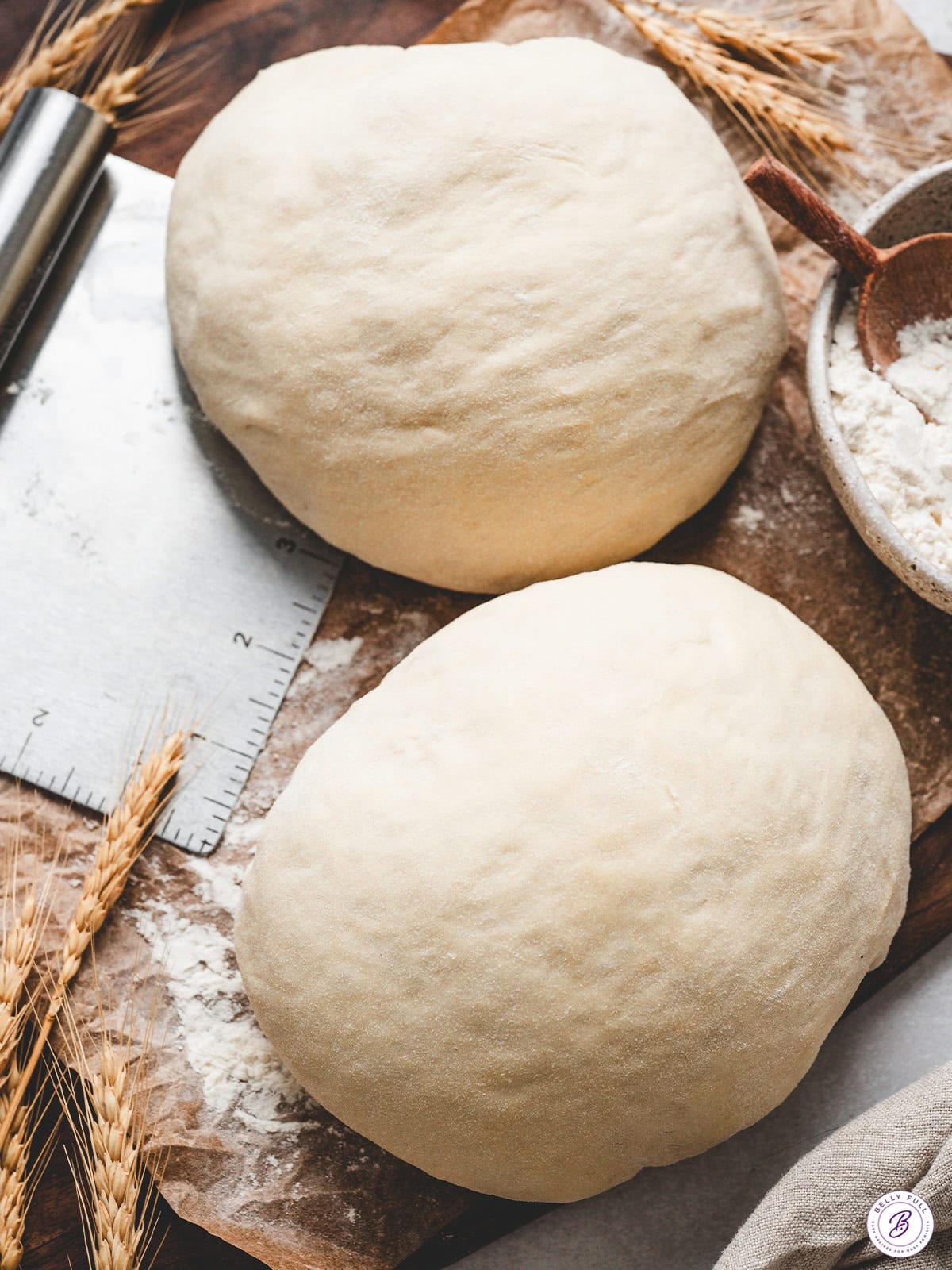
Achieve Pizzeria Perfection: The Easy Secret to 70% Hydration Pizza Dough
Imagine biting into a slice of homemade pizza, where the crust is perfectly crisp on the outside, delightfully soft and chewy within, and boasts an open, airy crumb filled with those tell-tale bubbles. This isn't just a dream reserved for the finest pizzerias; it's an achievable reality in your own kitchen. The secret lies in mastering a few simple techniques, most notably working with a higher hydration pizza dough recipe and embracing the magic of slow, cold fermentation.
This comprehensive guide will walk you through creating an authentic 70% hydration pizza dough recipe designed to deliver that true Neapolitan or New York-style crust. Forget dense, bready bases; prepare for a light, airy, and utterly satisfying foundation for your favorite toppings. While it requires a touch of patience, the hands-on time is minimal, and the incredible results are well worth the wait.
Unlocking Pizzeria Perfection: The Power of 70% Hydration
What exactly does "70% hydration" mean, and why is it so crucial for a superior pizza crust? In baker's percentages, hydration refers to the ratio of water to flour by weight. So, 70% hydration means for every 100 grams of flour, you're using 70 grams of water. This might seem like a lot of water, and indeed, high-hydration doughs are noticeably stickier and wetter than typical recipes, but this stickiness is your friend!
The increased water content plays several vital roles:
- Airy, Open Crumb: More water translates to more steam during baking. This steam creates larger, irregular air pockets, resulting in that characteristic open crumb structure and beautiful blisters on the crust.
- Crisp Exterior, Chewy Interior: The higher moisture content ensures the dough doesn't dry out too quickly, allowing the crust to develop a wonderful crispness while retaining a soft, chewy interior.
- Easier to Digest: While not a direct scientific claim for hydration itself, combined with cold fermentation, the enzymes have more time to break down complex starches, potentially making the final product easier on your stomach.
- Enhanced Flavor Development: Water is essential for yeast activity. A well-hydrated dough supports a more active fermentation, contributing to richer, more complex flavors.
When you encounter this dough, don't be alarmed by its tacky nature. Embrace it! This is the foundation of an incredibly light and airy crust, far superior to dense, dry alternatives often found in quick pizza dough recipes.
Why 24 Hours of Cold Fermentation is a Game-Changer
While 70% hydration sets the stage for texture, cold fermentation is where the magic truly happens for flavor and structure. Letting your dough rest slowly in the refrigerator for at least 24 hours, and even up to 48 or 72 hours, isn't just a recommendation—it's a critical step that elevates your pizza from good to extraordinary. For a deeper dive into this transformative process, explore Unlock Pizzeria Crust: Why 24-Hour Cold Fermentation Matters.
Here’s why cold fermentation makes such a profound difference:
- Deep Flavor Development: At cooler temperatures, yeast and bacteria (yes, there are beneficial ones!) slow down their activity, allowing them to produce a broader spectrum of aromatic compounds. This results in a complex, nutty, and slightly tangy flavor profile that's impossible to achieve with a rapid, room-temperature rise.
- Improved Texture and Structure: Slow fermentation gives the gluten network more time to relax and strengthen. This makes the dough incredibly extensible and easy to stretch without tearing, contributing to a more tender and pliable crust with excellent 'oven spring.'
- Enhanced Digestibility: The extended fermentation period allows enzymes to break down complex carbohydrates and proteins in the flour, making the final pizza crust potentially easier for your body to digest.
- Convenience: Believe it or not, cold fermentation simplifies your pizza night. You do the minimal prep work the day before, and when you're ready to bake, your perfectly developed dough is waiting for you.
Patience truly is a virtue here. While you can certainly make a decent pizza with a quick-rise dough, you'll never achieve the depth of flavor or the delicate texture that cold fermentation provides. This is the difference between a good homemade pizza and a truly outstanding one.
Your Essential 70% Hydration Pizza Dough Recipe (24-Hour Method)
This recipe yields four medium (12-inch) pizzas, perfect for a family pizza night or entertaining friends. We highly recommend using a kitchen scale for accuracy, especially for the flour and water, to ensure you hit that perfect 70% hydration.
Yields: 4 medium pizzas (12 inches each)
Prep Time: 20 minutes
Resting Time: 24 hours (cold) + 2 hours (room temperature)
Difficulty: Easy
Baker’s Percentages (Flour = 100%)
For those interested in scaling the recipe, here are the ratios:
- Flour: 100%
- Water: 70%
- Fine Salt: 2%
- Instant Dry Yeast: 0.6%
- Extra-Virgin Olive Oil: 2.8%
Ingredients:
For the most accurate hydration, always weigh flour and water using grams.
- Flour: 500g (approx. 4 cups) high-quality all-purpose flour or bread flour. Bread flour provides more gluten for chewiness, but all-purpose works wonderfully.
- Water: 350g (approx. 1 ½ cups) at 65–70°F (18–21°C). Lukewarm water helps activate the yeast without shocking it.
- Fine Salt: 10g (approx. 2 teaspoons)
- Instant Dry Yeast: 3g (approx. 1 teaspoon). No need to activate this yeast in water beforehand.
- Extra-Virgin Olive Oil: 14g (approx. 1 tablespoon)
Equipment You'll Need:
- Large mixing bowl
- Kitchen scale (highly recommended!)
- Dough scraper (helpful for sticky dough)
- Clean kitchen towel or plastic wrap
- Lightly oiled container/bowl for fermentation
- Pizza stone or baking steel (for best results)
- Pizza peel (optional but handy)
Step-by-Step Instructions:
- Combine Dry Ingredients: In your large mixing bowl, combine the flour and instant dry yeast. Whisk them together briefly to ensure even distribution.
- Hydrate the Dough (Initial Mix): Gradually pour in the lukewarm water while mixing with a sturdy spoon or your hands. Continue mixing until no dry flour remains and a shaggy, sticky dough forms. At this stage, the salt and olive oil are added last to allow the flour to fully hydrate initially without interference.
- Add Salt & Olive Oil: Add the salt directly to the dough, then drizzle in the extra-virgin olive oil. Mix thoroughly until both are fully incorporated. The dough might feel even stickier now, but don't worry.
- Knead for Structure: Transfer the dough to a lightly floured surface. Knead for 8–10 minutes. The high hydration will make it feel tacky, but resist adding too much extra flour. Use a dough scraper to help gather it as you knead. You're aiming for a smooth, elastic dough that passes the "windowpane test" (you can gently stretch a small piece thin enough to see light through it without tearing).
- First Rise (Room Temperature): Lightly oil a clean bowl. Place the dough in the bowl, turning it once to coat all sides lightly with oil. Cover the bowl tightly with plastic wrap or a damp kitchen towel. Let it rest at room temperature for 1 hour. This initial rise gives the yeast a kickstart before the cold fermentation.
- Cold Fermentation (24+ Hours): After its hour at room temperature, transfer the covered bowl directly to the refrigerator. Let the dough ferment slowly for a minimum of 24 hours. You can leave it for up to 48 or even 72 hours for even deeper flavor development. The longer it ferments, the more complex the flavors will become.
- Bring Back to Room Temp & Divide: About 2 hours before you plan to bake, remove the dough from the fridge. Gently transfer it to a lightly floured surface. Divide the dough into 4 equal portions (approximately 215g-220g each if using 500g flour). Gently shape each portion into a tight ball by tucking the edges underneath. Cover the dough balls with plastic wrap or a damp cloth and let them rest at room temperature for the full 2 hours. This allows the dough to relax and become easy to stretch.
- Preheat Oven & Bake: At least 45-60 minutes before baking, preheat your oven to its highest possible temperature, ideally 500°F (260°C) or higher. Place a pizza stone or baking steel inside while it preheats to ensure it's scorching hot.
- Shape & Top: Lightly flour your work surface and your hands. Take one dough ball and, working from the center outwards, gently stretch and press it into a 12-inch round. Avoid using a rolling pin if you want that classic airy crust (cornicione). Leave a slightly thicker edge for the crust. Quickly add your desired toppings.
- Bake to Perfection: Carefully transfer your topped pizza to the preheated stone/steel using a pizza peel (or parchment paper for easier transfer). Bake for 7–10 minutes, or until the crust is golden brown and bubbly, and the cheese is melted and slightly caramelized.
Tips for Pizza Dough Success & Troubleshooting
- The Importance of Weighing: While cup measurements are provided, investing in a digital kitchen scale is the single best thing you can do for consistent baking results, especially with high-hydration doughs. Even small variations in flour density or water volume can significantly impact the final texture.
- Sticky Dough is Good Dough: Don't panic if your dough feels sticky. This is normal and desirable for 70% hydration. Resist the urge to add excessive flour during kneading or shaping, as this will reduce the hydration and result in a tougher crust. A light dusting of flour on your hands and work surface is all you need.
- Can I Freeze This Dough? Yes! After the cold fermentation (and before the final room temperature rest), you can lightly oil individual dough balls, wrap them tightly in plastic wrap, and place them in freezer-safe bags. Freeze for up to 1-2 months. Thaw overnight in the refrigerator, then proceed with step 5 (bringing to room temperature) and the remaining steps.
- Flour Choice Matters: While all-purpose flour works, bread flour (with a higher protein content, typically 12-14%) will develop a stronger gluten network, leading to a chewier, more robust crust. Experiment to find your preference.
- Oven Temperature is Key: Home ovens rarely reach the extreme temperatures of professional pizza ovens. Preheat your oven and pizza stone/steel for at least 45 minutes to an hour. A super-hot surface helps achieve that crucial oven spring and crisp bottom crust.
- Consider an Autolyse: For an even more relaxed and extensible dough, try an autolyse. Mix just the flour and water until combined, then let it rest for 20-30 minutes before adding the salt, yeast, and olive oil. This allows the flour to fully hydrate and enzymes to start breaking down starches, making subsequent kneading easier.
While this recipe focuses on achieving pizzeria-style excellence, it's worth noting that there are many Homemade Pizza Dough: Easy & Fast vs. Pizzeria-Style Secrets. This particular method, however, is your pathway to a truly exceptional crust.
Conclusion: Your Pizzeria-Style Journey Begins Here
Creating an incredible, pizzeria-quality pizza dough recipe at home is not as daunting as it seems. By embracing the principles of 70% hydration and slow, cold fermentation, you unlock a world of flavor, texture, and aroma that elevates your homemade pizza to new heights. The minimal effort for the vast improvement in taste and experience makes this 24-hour dough a truly rewarding endeavor.
So, clear your schedule, gather your ingredients, and embark on this delicious journey. The anticipation of that first bite into a crisp, airy, and deeply flavorful crust will make every moment of waiting worth it. Get ready to impress your family and friends with pizza perfection, right from your own oven!
